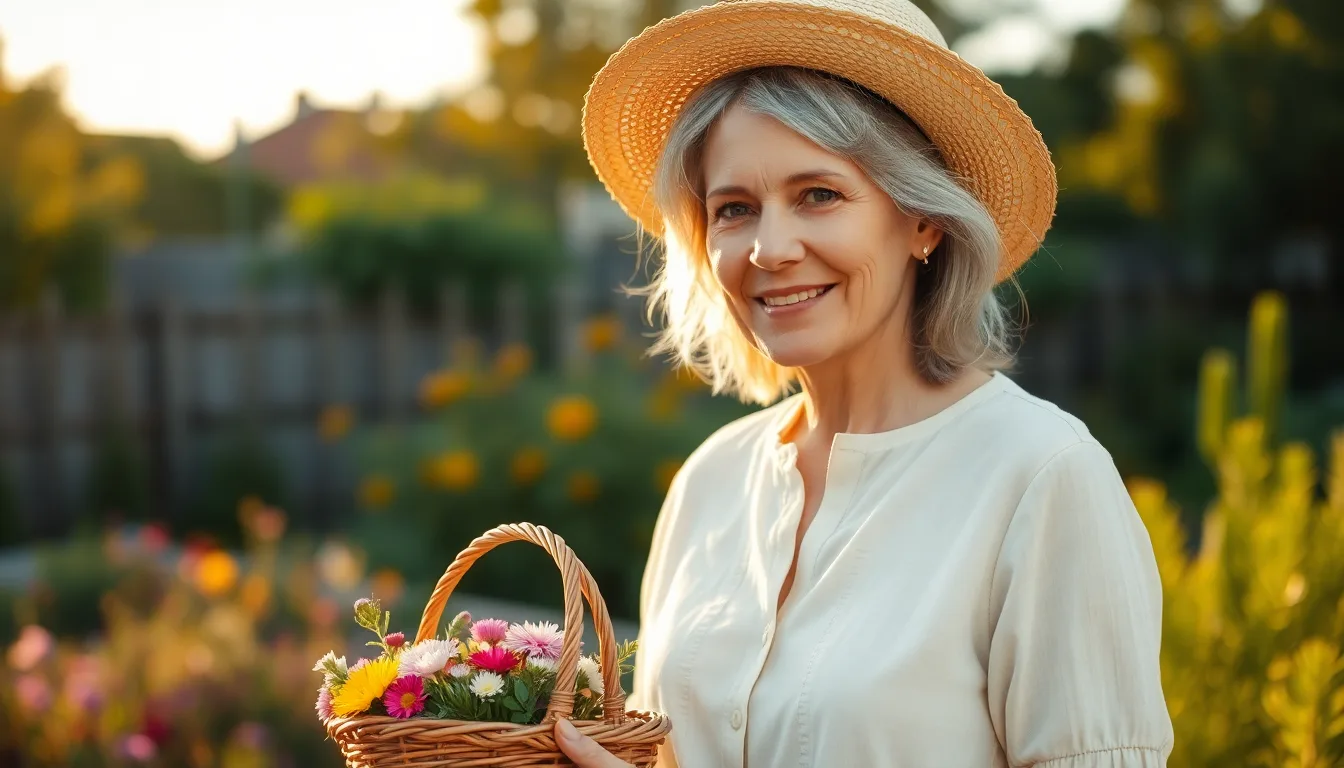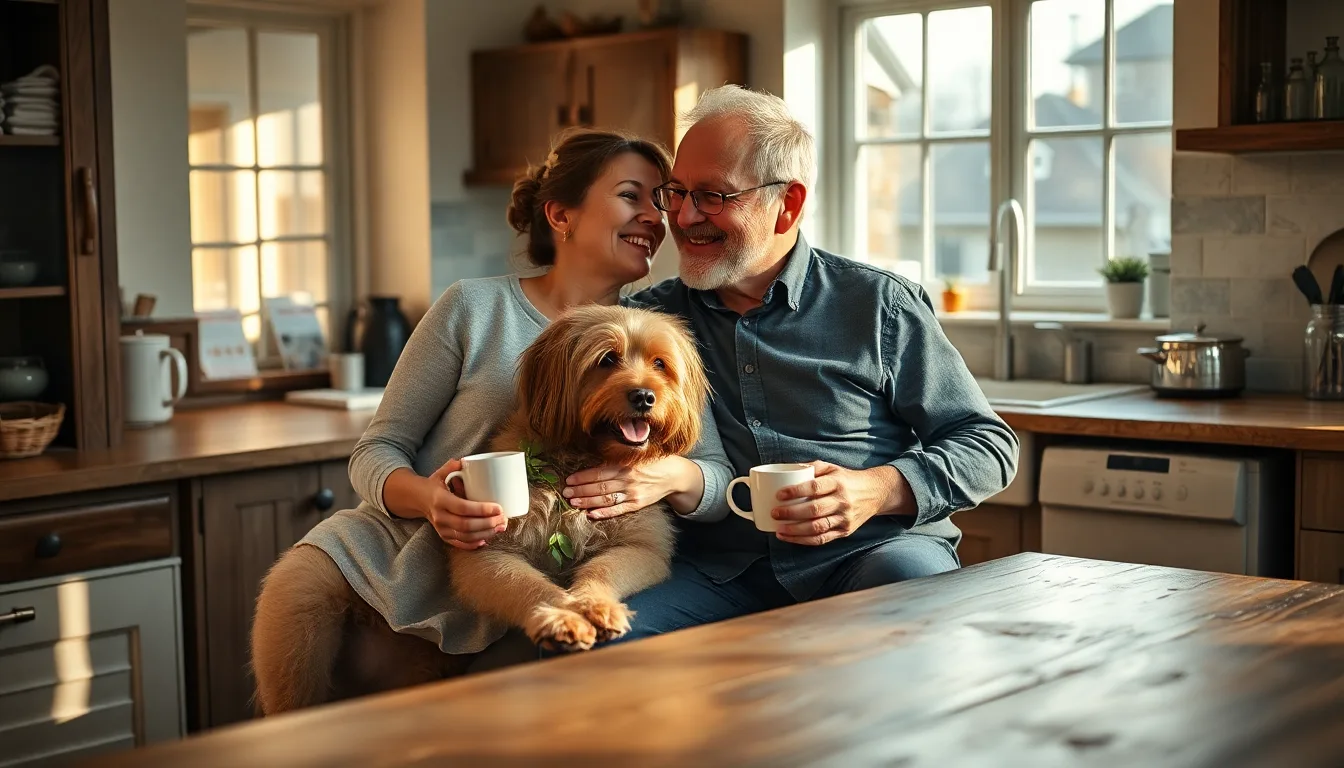
Martha is 64 now. She is sitting in a kitchen in a small town outside York, in a house she shares with her second husband, Peter, and a large, badly behaved rescue dog called Mabel. She is drinking tea out of a mug that says World's Okayest Grandma, a gift from her eldest grandchild, who is eleven and already funnier than most adults.
She agreed to tell this story on the condition that we not make it "inspirational." Her words. "I am not an inspiration. I am a woman who got lucky twice, and I'd like to be honest about both."
So. Here's how it actually went.
David
Martha met David in 1984, at a graduate seminar neither of them particularly wanted to attend. They married in 1989. Three children, a dog, two houses, thirty-one years. "Not perfect," she says. "We had a terrible year in 2002 I will not discuss with you. But we chose each other deliberately in 2003 and then mostly coasted on love for the next seventeen years. Which is a privilege."
David was diagnosed with pancreatic cancer in March 2020. The world was already doing its own collapse. He died in November of that year. Martha was 58.
"The first year, I was furious," she says. "At him for dying. At the universe for the timing. At myself for every small thing I'd been petty about. I was a person I didn't recognize."
The Two Years That Nobody Warns You About
Martha says the second year was harder than the first, which surprised her and which she says is almost never acknowledged.
"The first year, people show up. They bring food. They check in. You have a calendar of memorials and paperwork and people being gentle with you. In the second year, everyone decides you must be getting on with it now, and they quietly stop calling. That's the year you actually realize he is gone. The first year you're stunned. The second year, you're awake."
She went to grief counseling. She started swimming three mornings a week at a public pool whose chlorine she still complains about. She took an evening pottery class, which she hated, and then a watercolor class, which she loved. She went to her son's wedding in May 2022 and cried through the entire thing and was fine by the reception. She did not date, at all, for two and a half years. She was not ready and she knew it.
Peter
Peter is a retired veterinarian. He is a widower himself — his wife Elaine died of early-onset Alzheimer's in 2018. He has one grown son in Manchester. He is, in Martha's words, "not my type, on paper, at all."
They met at a birdwatching walk in early 2024. Martha had joined mostly because her sister made her. Peter, who had been walking with that group for five years, was helping identify a stonechat. Martha, who could not have cared less about stonechats, said something dry about middle-aged men and their binoculars, and Peter laughed harder than the joke deserved.
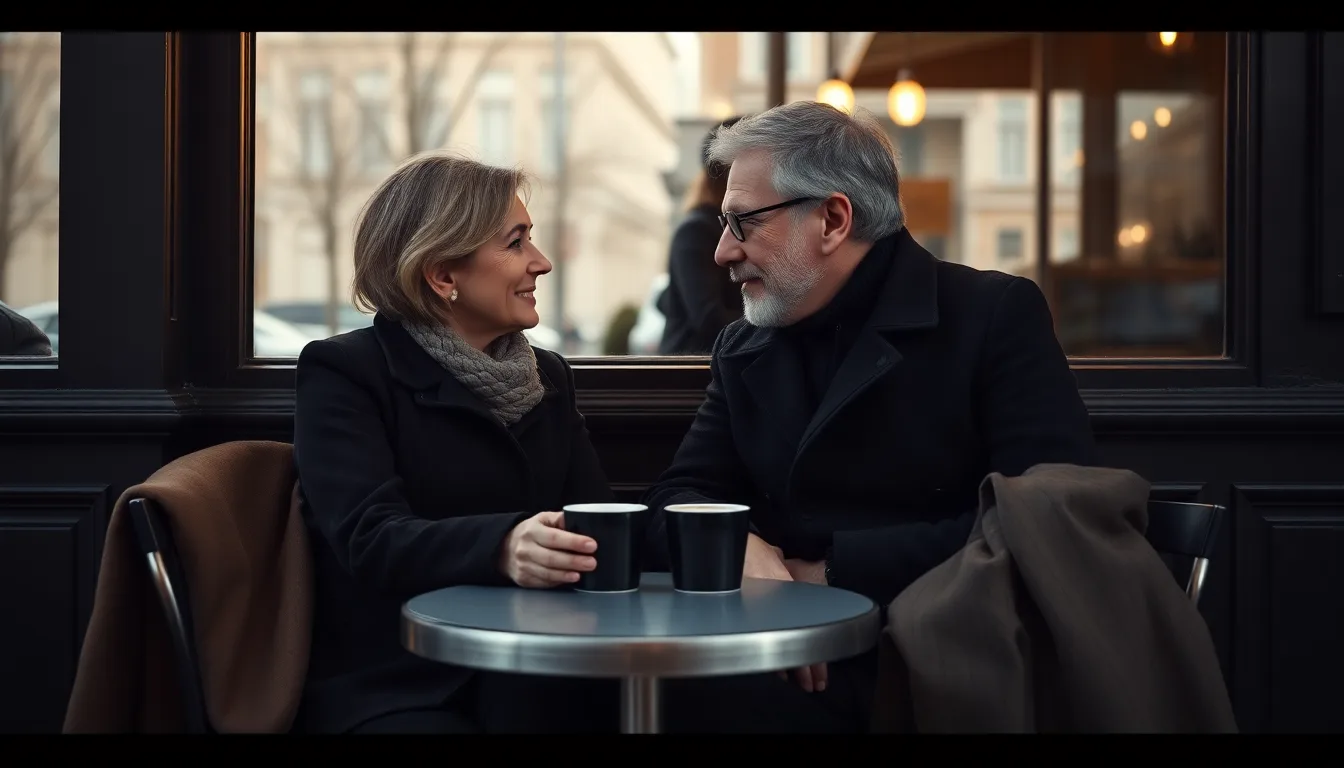
"He wrote to me three days later through the group's email list," she says. "Very formally. He said he had enjoyed my company, he was not sure if I was open to new friendships of any kind, and he would like to buy me a coffee, with no expectations, if I was. It was the least threatening opening message I have ever received, and I found myself wanting to say yes."
She did. They had the coffee. Two hours became four. Two weeks later, they had dinner. A year and a half after that, they married, quietly, in the same registry office where Martha had not been married the first time — a detail she chose deliberately. "I didn't want echoes. We made a new place for this one."
What She Wants Widowed Readers to Know
I asked her what she'd say to someone reading this who is where she was in 2021. She thought for a long time.
"First: nothing is wrong with you if you are not ready for years. I have friends who started dating within six months, and that was right for them. I have friends who never have, and that is right for them. There is no correct timeline. Anyone who tells you there is, ignore."
"Second: the people who loved your person will have opinions, and some of them will be awful. A close friend of David's wouldn't speak to me for six months after my engagement to Peter. He's speaking to me again now. I don't think he was wrong to be uncomfortable. I also don't think I owed him my life."
"Third — and this is the one I would tattoo on people if they'd let me — you do not have to replace him. I do not have to love Peter the way I loved David, and I don't. I love him entirely differently. We are not doing the same dance. We are doing a different, quieter dance, with the experience of knowing how much a dance is worth."
The Ex-Wife Question, Sort Of
One of the stranger things about remarriage after loss, Martha says, is that everyone expects you and the ghost of your first spouse to be in competition. The opposite is true.
"David and Elaine are in our house," she says. "Their photographs are on shelves. Peter and I talk about them. Peter tells me stories about Elaine's laugh. I tell him about David's terrible singing voice. They are part of the furniture of our lives, and refusing to acknowledge them would have poisoned the whole thing."
She pauses. "The trick is, they are also not in the room. Not really. They are in photographs. Peter is the one in the room. That distinction matters and I had to learn it."
On the Practical Side
Martha and Peter kept separate bank accounts and a shared one for the house. They wrote wills before the wedding that explicitly honored both sets of children's inheritance expectations, which she says saved a year of potential family conflict. Peter kept his house for the first year of their marriage and rented it out. They sold it in year two, when they were sure.
"Grown-up love involves more paperwork," she says. "That's fine. Paperwork, done honestly, is a form of love."
What She Wanted Me to End With
Before I left, I asked if there was anything she felt I'd missed. She thought, and then said:
"Tell them that falling in love again didn't betray him. It would have, if I'd tried to make it look like him. Because I didn't, it didn't. That is the whole story, really."
Then Mabel the dog jumped onto the couch, uninvited, and Martha said something unrepeatable, and we all laughed, and the kitchen was warm, and that was the end of the interview.
The kettle, for the record, went on again immediately.