You are 58. He — or she — is 61. You've both been married before, raised children who are now adults, and stood next to each other through enough small storms to know this is real. You want to marry. And neither of you wants what you had the first time: a 120-guest cathedral afternoon with a 9-tier cake and a first dance to a song nobody picked.
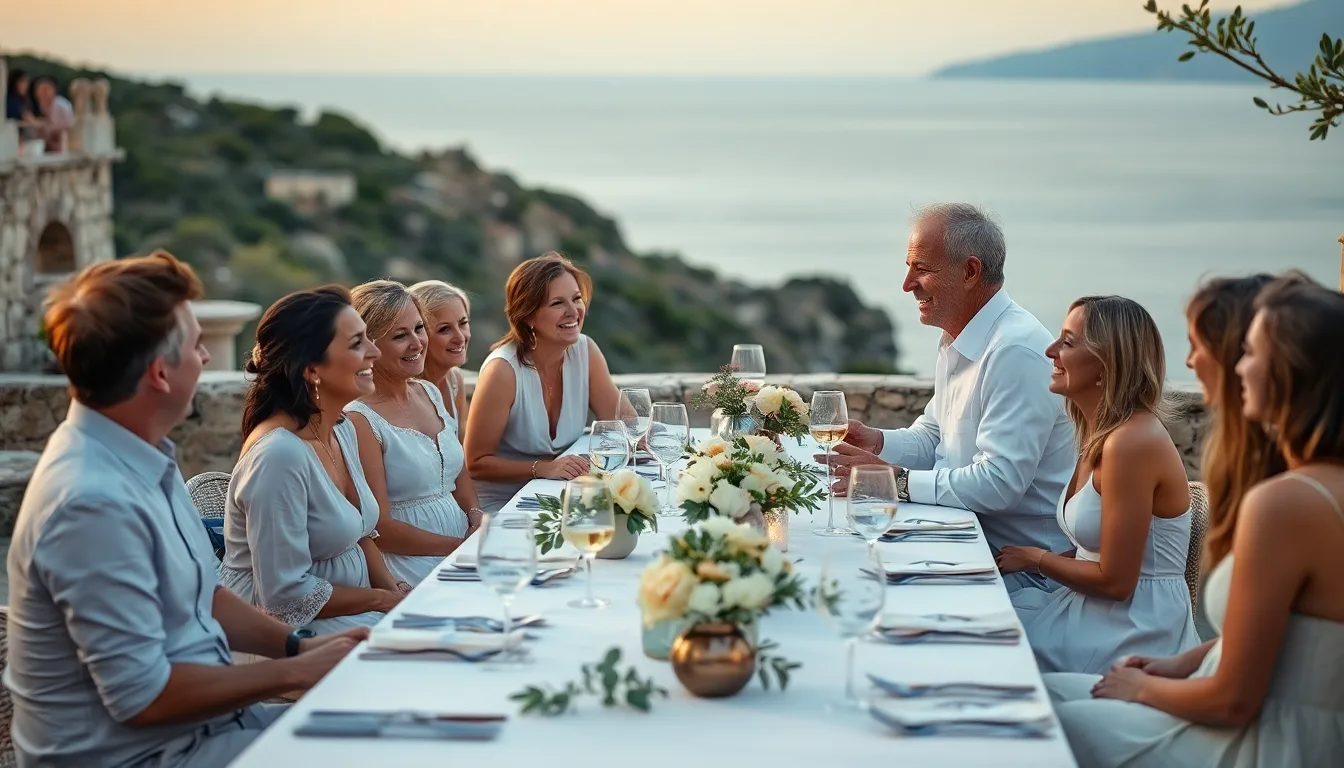
You want something smaller. Somewhere warm. A handful of people who actually matter. Fourteen guests, maybe. A sea view. A real meal. A dress that is not meringue.
Welcome to the honest logic of the second-marriage destination wedding. Here is how to make it sincere, small, and yours.
Why a Destination Wedding Works Especially Well for Second Marriages
A first wedding, for most of us, was partly about announcement — to families, colleagues, communities. A second wedding is, almost by definition, not about announcement. Everyone who matters already knows.
A destination wedding solves several problems at once:
- It naturally limits the guest list. Only people who genuinely love you will fly for you.
- It reduces the social theater. No office invitations, no obligatory second cousins, no complicated seating chart designed to keep two of your aunts apart.
- It converts the day into a trip. The wedding itself becomes one evening in a longer arc of shared time.
- It signals, gently, that this is a grown-up marriage, not a performance.
Choosing the Place
Avoid two categories of destination.
The first: places that scream "wedding industry." Certain coastal villages, certain tropical resorts, certain chateaux have turned into wedding factories. You don't want the same photographer who did six couples last weekend. You want somewhere that is itself.
The second: places that require significant travel hardship for your guests. At 58, your brother's knees and your best friend's cardiac history are real variables. A destination that requires three flights and a boat is beautiful and cruel.
The sweet spot for second-marriage destination weddings tends to be:
- A single direct flight from where most guests live.
- A small, family-run hotel, not a resort.
- A season that is warm but not peak-tourist.
- A place you personally love, not one you've seen on someone else's Pinterest.
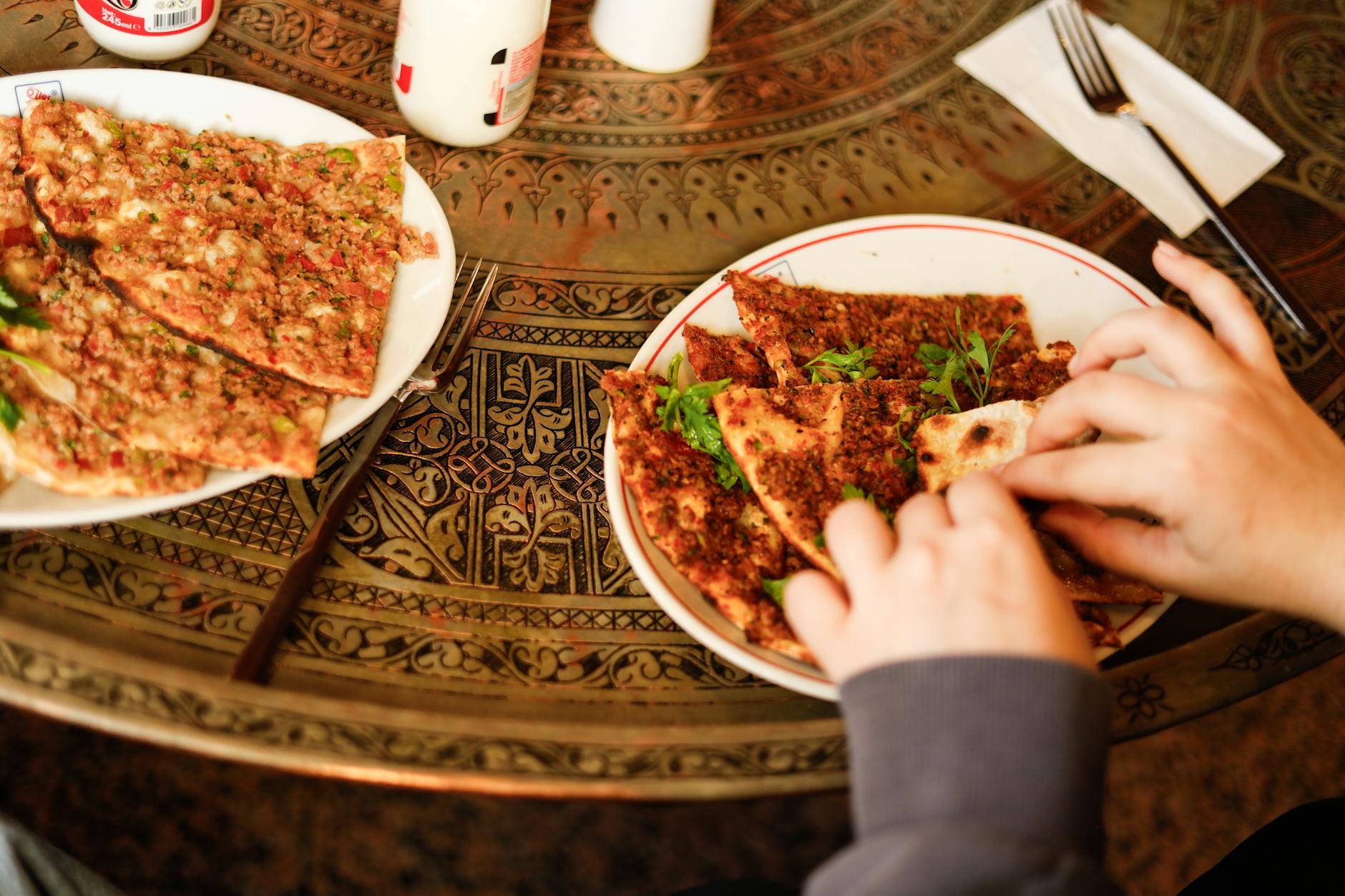
We've seen wonderful second-marriage weddings in the Aegean islands, the Algarve, the Adriatic coast, the Mediterranean corners of Turkey, small towns in southern France, and — unexpectedly — quiet villages in northern Ireland. Not a coincidence that none of these are "wedding brands."
The Guest List: The Number That Matters
For second marriages at 55+, a guest list of 10 to 25 is almost always the right size. Below 10, it can feel claustrophobic. Above 25, the logistics overwhelm the intimacy.
The rule of thumb we've heard from couples who did it beautifully: invite only the people whose absence on the day would genuinely feel like a loss.
This usually includes:
- Your adult children, and their partners if they have serious ones.
- Any grandchildren old enough to enjoy it.
- Two or three friends each who have walked through the last decade with you.
- One sibling each, perhaps with their spouse.
- Occasionally, a beloved aunt or mother figure.
That is often already 18 people. Stop there unless someone's absence would cost you a year of quiet regret.
The Ceremony
For second-marriage destination weddings, ceremonies work best when they are short, specific, and personal. Twenty minutes is plenty. Thirty is a ceiling.
Things that tend to work:
- A simple officiant — sometimes a close friend ordained for the day, sometimes a small local celebrant who knows the region and is not pompous.
- Readings chosen by your adult children. Not generic poetry. A passage from a book one of your kids remembers from childhood, read aloud in their own voice.
- Vows written the week before, not the day before. Rehearsed once, in private. Not memorized.
- A small ritual that honors the past. Some couples light a candle for a late first spouse. Some leave an empty chair, briefly named. Some simply say, in their vows: "I loved before. I am loving again. Both are true, and both are mine."
Things to quietly leave behind: unity candles, sand ceremonies, choreographed first-kiss poses for the photographer, anything involving doves.
The Clothing Question
At 58, you do not need a meringue dress. You may still want to feel beautiful, and you should. But the most striking second-brides we've seen have worn:
- A simple linen dress in a soft color, not white. Oyster, sand, pale blue.
- A well-cut suit — sometimes with trousers — in a warm ivory or muted rose.
- A family piece — a mother's brooch, a daughter's borrowed earrings — to anchor the day in continuity.
For the groom, the same logic. Skip the rented black tuxedo. A linen suit that actually fits, in cream or soft grey, over a pale open-collared shirt. Shoes you can comfortably walk on cobblestones in. Second-marriage weddings should not hurt your feet.
The Meal, Not the Reception
Skip the reception structure. No DJ, no timeline, no official "bouquet toss." Instead:
- A long outdoor dinner, well-cooked, not catered.
- Local wine, not champagne-for-the-sake-of-champagne.
- Speeches that are warm and short. Your adult children should speak, as should one old friend each. That is enough.
- One quiet dance between the two of you, chosen in advance, not announced. Let the rest of the evening find its own shape.
The Extra Days
The great gift of a destination second-marriage wedding is that the wedding itself is just one day of a longer trip. Book a few extra days with the smaller inner circle — adult children, two or three closest friends.
The mornings after the wedding, when you eat breakfast with your daughter-in-law in a small square and your new spouse walks to buy pastries, are often what people remember most. The wedding is beautiful. The breakfast is love.
A Note on the Adult Children
Second-marriage weddings are emotionally delicate for adult children — especially if one of you was widowed, or if the first marriage ended painfully. Do not ask them to "be happy." Ask them, quietly, a few weeks before, whether they have anything hard they want to say. Let them say it. Hold it.
Adult children who have been heard before a wedding arrive at the wedding differently. They do not arrive with unspoken grief. They arrive with it gently set down, which is the only way it stops leaking into the day.
Budget, Honestly
A second-marriage destination wedding for 16 guests, done beautifully, does not need to cost what a first wedding did. In our experience, budgets of roughly the equivalent of a modest family car — spent wisely on food, flowers, the venue, a good local photographer, and accommodation help for one or two guests who couldn't otherwise afford it — produce better days than budgets three times as large that feed a wedding-industrial machine.
Spend the money on food, flowers, and light. Spend nothing on anything that tries to make you feel like a 25-year-old bride.
A Small, Quiet Permission
You are allowed to do this wedding at exactly the scale, in exactly the place, on exactly the day that you want. You are not going against tradition. You are writing a tradition for a kind of marriage that your parents' generation rarely got to have — a freely chosen second one in late middle age, based on who you actually are now rather than who you tried to be at 26.
Before anything else, pick one guest list of no more than 16 names. Write them down. Sit with the list for a week. Everything else — the venue, the food, the dress — follows from that list, more easily than you think.