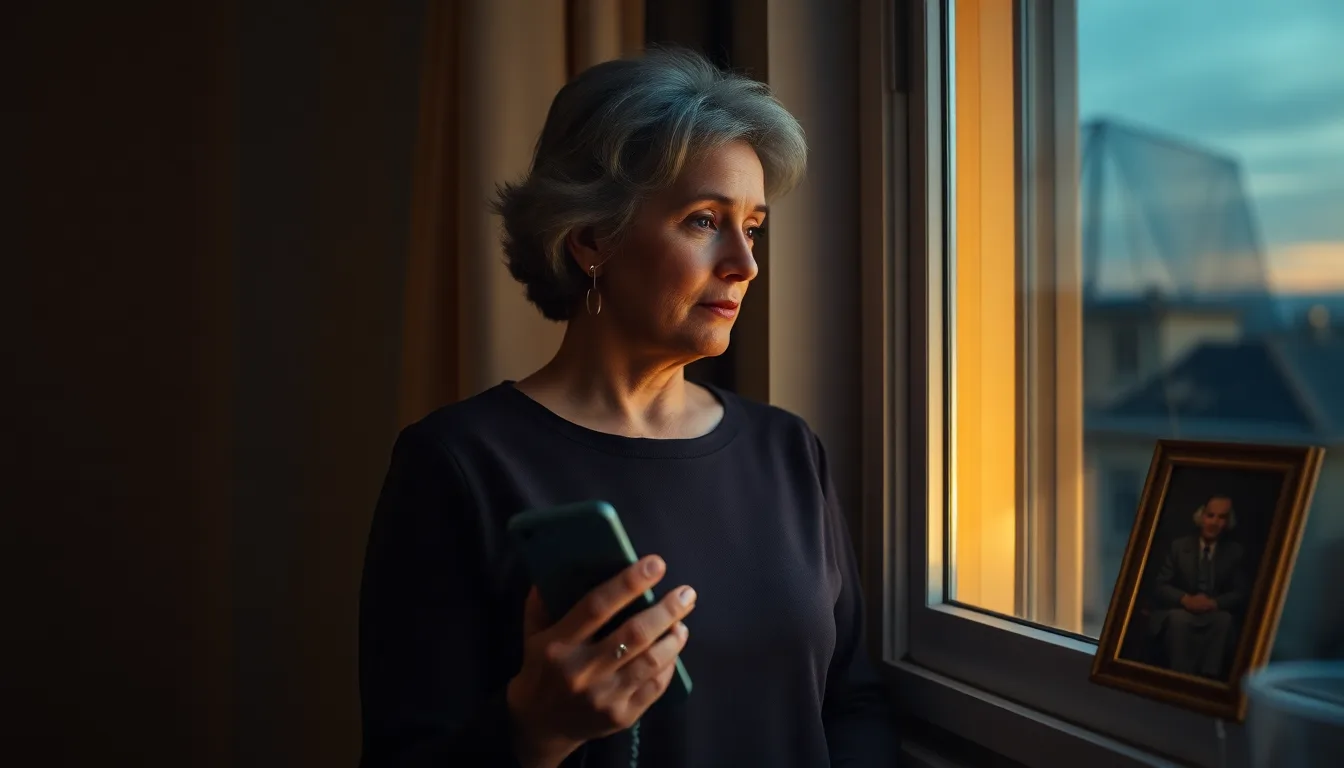
There is a particular moment in every second marriage after 50 — usually somewhere between year four and year six — when you both realize, quietly, that romance is not what it was the first time around. Nor should it be.
The candles are lit less often. The grand gestures have quieted. And yet, if you are paying attention, something richer is moving into their place. Here is what it looks like, and why the reinvention is not a loss. It is the point.
Why First-Marriage Romance Can't Be Copied
The romance of a first marriage, especially one begun in your twenties, was built on a particular kind of currency: firsts. First home, first child, first shared holiday, first wedding anniversary, first big fight, first reconciliation. The drama and tenderness were both amplified because everything was new.
A second marriage at 50+ cannot offer that same arc. You have both already built homes, raised children, fought with spouses, reconciled with parents. You arrive with a catalog of firsts already lived through.
Trying to import first-marriage romance into this chapter is the single most common mistake couples make. It fails not because you've stopped loving. It fails because you are using the wrong language for a different season.
What Romance Looks Like Now
Among the long-second-marriage couples we've spoken with over the years, certain patterns appear again and again. They are quieter than first-marriage romance, but not less romantic. In many ways, more.
1. The small daily witnessing
Not flowers on Valentine's Day. The cup of tea placed on your desk at 4pm because he knows you always sag at 4pm. The way she pauses the TV when you walk into the room without being asked. The hand on the small of your back when crossing a crowded market.
These are not grand gestures. But they are observed gestures, and at 55, being observed accurately is a deeper romance than being surprised.
2. Private jokes that nobody else gets
A long second marriage accrues its own vocabulary. Words from an old holiday, nicknames for neighbors, inside jokes about the children's new partners. When your spouse catches your eye across a boring dinner party and lifts one eyebrow, and you both know exactly what it means — that is romance. Years of it.
3. Body memory as intimacy
At 25, sex was a mix of nerves and discovery. At 55, it becomes, for the couples who keep it alive, something closer to fluency. You know exactly which shoulder she likes rubbed, exactly which song he wants on, exactly when to stop talking and when to laugh. This is not less romantic than first-marriage desire. It is a different, quieter heat.
4. Ritual over novelty
The Friday walk. The Sunday market trip. The annual birthday dinner at the same restaurant you first ate at together. Second-marriage couples often build small, repeatable rituals that first-marriage couples rarely had time to construct. The romance is in the repetition — the way a ritual says I am still choosing this, with you, on purpose.
5. The shared project
Not a house renovation (though sometimes that). Often something smaller and stranger — learning a language together badly, planting a garden, building a wooden bench for the grandchildren, writing letters jointly to old friends you've both lost touch with. Second-marriage romance often lives inside a shared project that isn't productive in any economic sense. That is the point.
What Stops Working
Just as important as what replaces first-marriage romance is recognizing what quietly stops working.
- Surprise as a love language. Surprises, pleasant or otherwise, land differently after 50. A spontaneous weekend away is lovely if you both adore it — but a surprise redecoration of the living room is usually a landmine.
- Jealousy as evidence of love. In a first marriage, a flash of jealousy could feel flattering. In a second marriage, at 55, jealousy lands as insecurity. The couples who thrive trust each other almost boringly, and make peace with the fact that this is, in fact, romantic.
- Grand declarations. A long second marriage does not need "you complete me." It needs "I saw you flinch when the phone rang — are you alright?"
The Conversation Long-Marriage Couples Keep Having
The quietly healthy second marriages we've watched all have one thing in common: they keep having a version of the same conversation every few months. It goes something like:
"How are we doing? Not the logistics. Us."
Once a season is enough. Over coffee, on a walk, in the car. The question is not an emergency. It is a ritual. The answers evolve. The conversation itself is the romance.
Children, Grandchildren, and the Space That Stays Yours
One of the quiet skills of a long second marriage is protecting the couple-space from being eaten by the family around you. Adult children have needs. Grandchildren are enchanting. Ex-spouses are sometimes still in the picture.
Couples who stay romantic at 60 and beyond tend to guard, generously but firmly:
- At least one evening a week that is just them.
- At least one weekend a season away from all the relatives.
- At least one conversation a month that is not about anyone else in the family.
These are not extravagant boundaries. They are the spine of the marriage. Without them, second-marriage couples risk becoming logistical partners with shared grandchildren and little else.
When the Romance Feels Gone
Every long marriage has flat months. In a second marriage, the temptation is to panic: did we make a mistake? Almost always, the answer is no. What's usually happening is that the couple has briefly stopped doing the small things — the tea at 4pm, the walk on Friday, the eye-catch at the boring dinner — and is coasting.
The fix is not a big romantic weekend. The fix is to restart one of the small rituals. Romance in a long second marriage is not sustained by peaks. It is sustained by a hundred tiny, repeated choices.
This Friday, notice one small thing your partner does for you that you've stopped noticing. Say thank you for it out loud. Watch what happens.